
Moka Pot Vs Espresso Machine: Which Is Better for Your Sicilian Coffee Culture at Home?

Buongiorno! Choosing between a moka pot and an espresso machine isn’t just about gear. It’s about the kind of coffee moment you want at home. Do you love a simple stovetop ritual and a small cup of rich, robust coffee? Or do you dream of velvety espresso, crema, and milk drinks made just the way you like them?
For Sicilian coffee culture, both can have a place. A moka pot brings an easy, familiar Italian touch to your kitchen; an espresso machine gets closer to the café-style shot we serve at Castanea. The better choice depends on your space, budget, and favorite way to pause. Let’s compare.
The short answer
A moka pot if you want a compact stovetop ritual and a bold, concentrated cup with nothing to learn. An espresso machine if you want crema, true espresso texture, and cappuccinos or lattes at home. Neither is more Sicilian than the other, and neither needs a professional counter to feel right.
Two brewers, two different cups
A moka pot uses heat from your stovetop to push hot water through coffee grounds and into its upper chamber. The result is concentrated, full-bodied coffee, often bolder than drip coffee, but not technically espresso. It doesn’t brew with the same pressure as an espresso machine, and it generally won’t produce espresso’s characteristic crema.
An espresso machine uses pressure to brew a small, concentrated shot through finely ground, compacted coffee. With the right setup, you’ll get that dense texture and crema that make espresso a natural base for drinks like cappuccinos and lattes.
Neither method is automatically “better.” They simply bring different things to your cup. The National Coffee Association has a useful overview of how espresso is brewed, while research has also compared the distinct sensory qualities of moka and espresso coffee.

The moka pot: simple, comforting, and stovetop-friendly
A moka pot is a lovely choice if you want a straightforward setup without a large appliance taking over your counter. It’s compact, usually more affordable than an espresso machine, and makes coffee with a warm, intense character. Many homes across Italy keep one close at hand for an everyday cup.
There’s a little theater in the ritual: setting the pot on the stove, listening for the brew, and pouring into small cups. No milk wand, no complicated controls. Just a familiar coffee moment: piano piano.
The trade-off is that the process asks you to pay attention. Too much heat or leaving the pot on the burner after brewing can leave the coffee tasting harsh. Moka pots also need careful use: keep the safety valve clear, don’t overfill the water chamber, and don’t press down the grounds. Always follow the instructions for your specific pot; Bialetti’s moka pot manual covers essential filling and safety guidance.
The espresso machine: café texture and milk drinks
If you want café-style espresso at home, an espresso machine offers more control over your shot and opens the door to milk drinks. You can make a macchiato, cappuccino, or latte, and, with a steam wand and a little practice, work toward silky milk and simple latte art.
The trade-off is investment and learning. A machine often needs a capable grinder, regular cleaning, and a bit of dialing in before the coffee tastes the way you like. It takes more counter space, too. But if you enjoy adjusting the details and making espresso drinks for family or friends, the extra craft can be part of the pleasure.
At our cafes in Venice, Beverly Hills, and Hollywood, we use professional espresso equipment to serve drinks made with Morettino coffee. At home, a machine is the closest of these two options to that café-style experience.
Three details that decide the cup
Grind, water and proportion do more for the taste than the price of the brewer.
A moka pot likes a medium-fine grind, coarser than espresso but finer than filter coffee. Fill the basket loosely, level it with your finger, and never press it down. Start with hot water in the base so the grounds spend less time on the heat, and take the pot off the burner the moment it starts to gurgle.
An espresso machine rewards a burr grinder and small changes made one at a time. Taste as you go rather than chasing numbers you read online.
And the strength is not a contest. A moka pot makes a small, intensely flavored coffee that many Sicilians drink as it is, sometimes with a drop of milk; espresso is a shorter, denser shot built to carry milk. Serve both in small cups and neither will feel like a compromise.
The bean matters, whichever brewer you choose
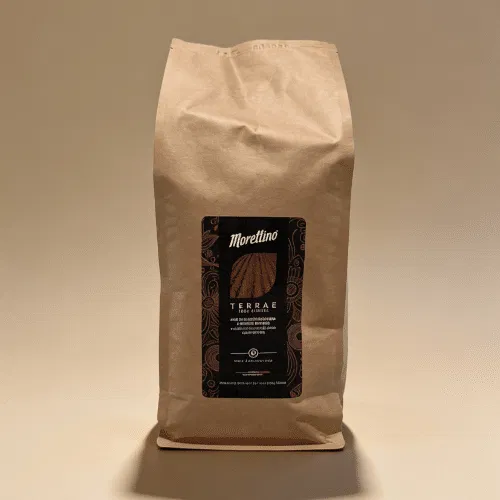
Good equipment helps, but the coffee itself matters just as much. We use Morettino coffee beans, imported from Sicily, in our cafés, and you can find them in the Castanea online coffee collection, alongside Morettino ground coffee and moka pots.
One practical note: espresso and moka brewing don’t call for exactly the same grind. Espresso generally needs a finer grind, while moka coffee is usually ground a little coarser. If you buy whole beans, choose a grind that suits your brewer; if you’re unsure about a pre-ground coffee, check its product details or ask us before ordering. A thoughtful match between coffee and brewer helps bring out a balanced, enjoyable cup.
Which one fits your everyday ritual?
Choose a moka pot if you value a compact setup, a stovetop ritual, and concentrated coffee without espresso-machine complexity, and if the idea of a quiet three-minute ritual before the day starts appeals to you more than dialing in a shot. It’s a natural fit for someone who wants a little Italian character in the morning and doesn’t need a milk wand.
Choose an espresso machine if espresso texture and crema are important to you, or if cappuccinos and lattes are part of the plan. It suits coffee lovers who are happy to spend more time learning their equipment and caring for it.
And if caffeine is your deciding factor, don’t assume one method always delivers more. The coffee dose, beans, and serving size all affect how much caffeine ends up in your cup.
Quick answers, before you buy
Is moka coffee the same as espresso? No. It’s stronger than drip coffee and brewed with steam pressure rather than a pump, so it lacks the crema and the dense body of a true shot.
Can I make a cappuccino with a moka pot? You can heat and froth milk separately and pour it over moka coffee for a lovely morning drink. It won’t have the same texture as a machine-made cappuccino, and it will still taste like the coffee you brewed.
Which is cheaper to run? A moka pot costs less to buy and needs only coffee, water and a flame. An espresso machine adds a grinder, cleaning supplies and electricity, so it’s worth it only if milk drinks and crema matter to you.
Can I use the same coffee for both? Yes, if you buy whole beans and grind to suit each brewer. Pre-ground coffee is usually sold for one method or the other, so check before ordering.

Start with the ritual you’ll enjoy
You don’t need a professional machine to bring a little Sicilian coffee culture home. A moka pot can be a lovely companion for a quiet morning; an espresso machine can make your kitchen feel like your own little bar. Both are best enjoyed without rushing, perhaps with a cornetto and a few minutes to yourself.
For a simple start, explore our 2-cup and 4-cup moka pots and pair one with Morettino beans. Our online market ships Italian coffee and pantry favorites nationwide, so your next coffee ritual is only a few clicks away.
Want to explore espresso beyond the stovetop? We host hands-on espresso classes in Venice and Beverly Hills, plus a latte art class in Venice. Come taste, learn, and find the coffee ritual that feels like yours.
Moka pot or espresso machine? There’s no wrong answer when the coffee is genuine and you give yourself time to savor it. A presto!